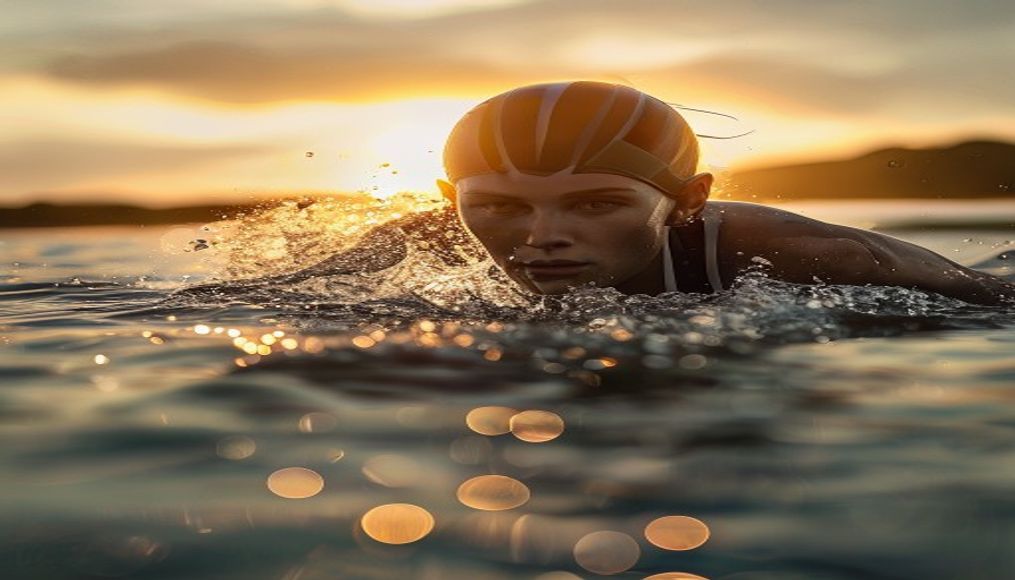
Introduction to Open Water Swimming
Open water swimming is a thrilling and challenging aspect of endurance sports, requiring a unique combination of physical and mental skills. Whether you’re a seasoned triathlete or an aspiring swimmer, open water swimming can be a daunting experience, especially for those who are used to the comfort and predictability of pool swimming. In this article, we’ll provide you with expert tips and advice on how to prepare for, execute, and stay safe during open water swimming.
Preparing for Open Water Swimming
Before you take the plunge into open water swimming, it’s essential to prepare yourself physically and mentally. This includes building your endurance, strengthening your swimming technique, and acclimating to the conditions you’ll face in the open water. Here are some tips to help you prepare:
- Build your endurance: Open water swimming requires a high level of cardiovascular fitness, so it’s crucial to build your endurance through regular swimming, cycling, and running. Aim to swim at least 2-3 times a week, with one longer swim (over 1km) on the weekends.
- Improve your technique: Focus on developing a efficient swimming technique, with a strong emphasis on body position, kick, and arm stroke. Consider working with a swim coach or taking lessons to help you improve your technique.
- Acclimatize to the conditions: Open water swimming often involves dealing with variable water temperatures, currents, and visibility. Acclimatize yourself to these conditions by swimming in lakes, rivers, or oceans, and gradually increasing your exposure to colder or warmer water.
Essential Open Water Swimming Techniques
Once you’ve prepared yourself physically and mentally, it’s time to focus on the essential techniques for open water swimming. These include:
- Sighting: Sighting is the process of looking up to spot your direction and navigate through the water. Practice sighting by looking up every 10-15 strokes, and use landmarks or buoys to guide you.
- Body position: Maintaining a horizontal body position is crucial for efficient swimming. Focus on engaging your core, keeping your hips up, and using your kick to help you stay streamlined.
- Breathing: Open water swimming often involves breathing to one side, as you need to be able to see what’s around you. Practice breathing to both sides, and focus on taking quick, shallow breaths to minimize your time with your head out of the water.
Safety Considerations for Open Water Swimming
Safety should always be your top priority when it comes to open water swimming. Here are some essential safety considerations to keep in mind:
- Swim with a buddy: Whenever possible, swim with a buddy or join a group swim. This will help you stay safe and provide an added level of support and motivation.
- Know your limits: Be honest about your abilities and don’t take unnecessary risks. If you’re not comfortable swimming in certain conditions, don’t push yourself too hard.
- Use safety equipment: Consider using a wetsuit, swim cap, or other safety equipment to help protect you from the elements and provide visibility to other water users.
Executing a Successful Open Water Swim
Now that you’ve prepared yourself and developed the essential techniques, it’s time to execute a successful open water swim. Here are some tips to help you stay focused and motivated:
- Start strong: Begin your swim with a strong, confident stroke, and focus on settling into a steady rhythm.
- Stay relaxed: Try to stay relaxed and focused, avoiding unnecessary tension or stress. Remember to breathe regularly and take in your surroundings.
- Use positive self-talk: Encourage yourself with positive self-talk, focusing on your strengths and accomplishments. This will help you stay motivated and push through any challenging moments.
Common Open Water Swimming Mistakes to Avoid
Even with proper preparation and technique, it’s easy to make mistakes during an open water swim. Here are some common mistakes to avoid:
- Not acclimatizing to the conditions: Failing to acclimatize to the water temperature, currents, or visibility can lead to discomfort, disorientation, or even danger.
- Not sighting regularly: Failing to sight regularly can lead to navigational errors, wasting energy, and increasing your risk of getting lost or injured.
- Not staying hydrated and fueled: Failing to stay hydrated and fueled can lead to dehydration, fatigue, and decreased performance.
Conclusion
Open water swimming is a challenging and rewarding experience that requires a unique combination of physical and mental skills. By preparing yourself, developing essential techniques, and staying safe, you can execute a successful open water swim and achieve your goals. Remember to stay focused, motivated, and positive, and don’t be afraid to seek help or advice from experienced coaches or swimmers. With practice, patience, and persistence, you can become a confident and competent open water swimmer, ready to take on any challenge that comes your way.
So why not take the plunge and start your open water swimming journey today? With the right mindset, training, and techniques, you can unlock a world of exciting and rewarding experiences, from leisurely lake swims to competitive triathlons. Happy swimming!